
Fin Whale Facts
Quick Answer: The fin whale is the second-largest animal on Earth after the blue whale, reaching up to 85 feet long. Nicknamed the “greyhound of

Quick Answer: The fin whale is the second-largest animal on Earth after the blue whale, reaching up to 85 feet long. Nicknamed the “greyhound of
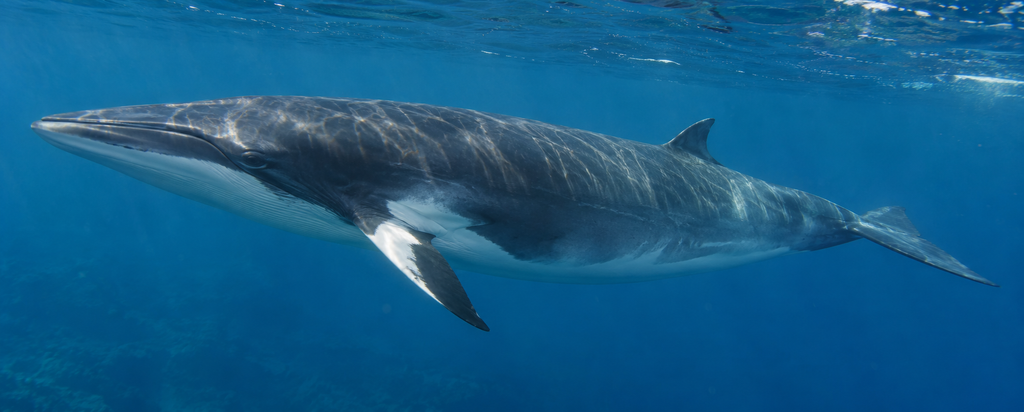
Quick Answer: The minke whale is the smallest of the “great whales,” typically reaching 20 to 30 feet in length, compared to the 100-foot blue
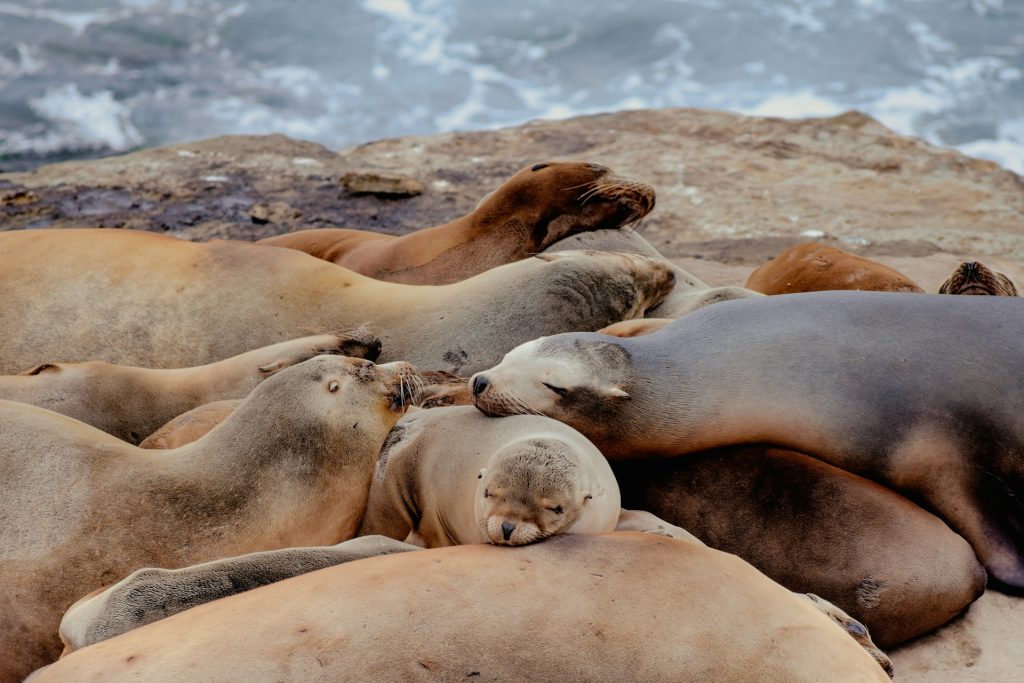
Quick Answer: California sea lions are one of the most commonly seen marine mammals along the Southern California coast, easily recognized by their loud bark,

Quick Answer: A toothed whale (odontocete) is a whale that hunts individual prey using teeth and echolocation, rather than filter-feeding like a baleen whale. The
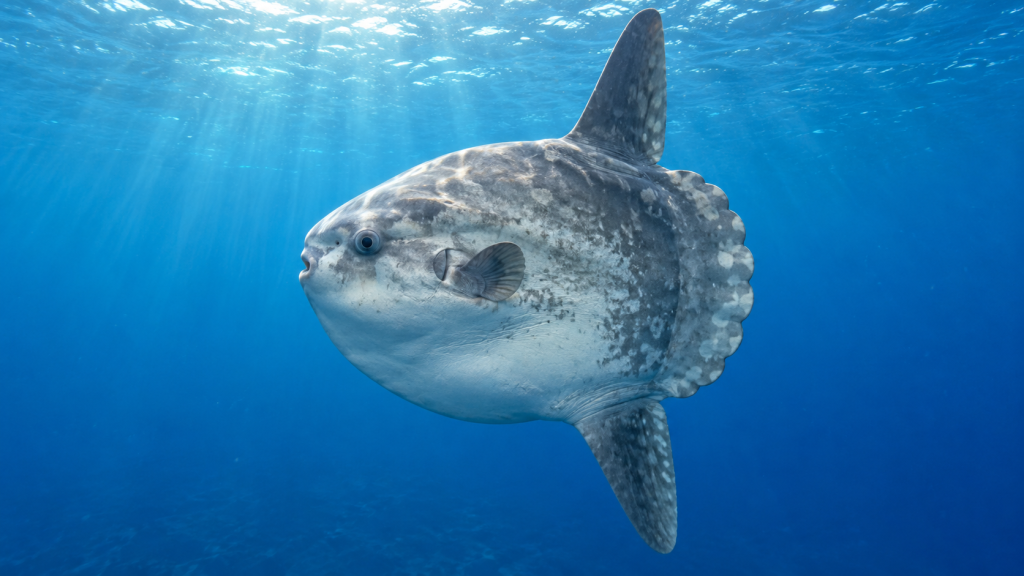
Quick Answer: The ocean sunfish, or mola mola, is the heaviest bony fish in the world, weighing up to 2,200 pounds. Shaped like a giant

Whales are mammals, which means they need air just like we do — but unlike us, they can’t just doze off underwater without a plan.
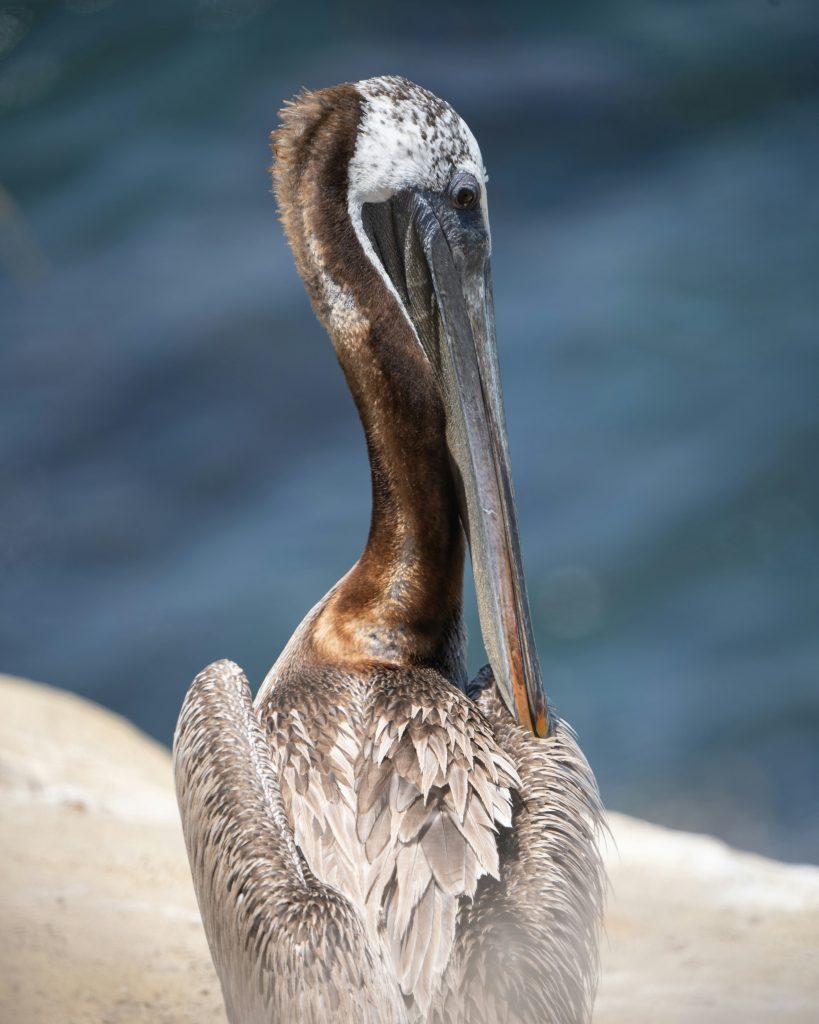
Whales and dolphins get most of the attention on a whale watching trip, but keep an eye on the sky and you’ll likely spot one

It’s a fair question — an animal that lives its entire life in the ocean, looks nothing like a dog or a deer, and can

Quick Answer: The best whale watching in the world is spread across a handful of hotspots, each tied to a specific species and season: Baja
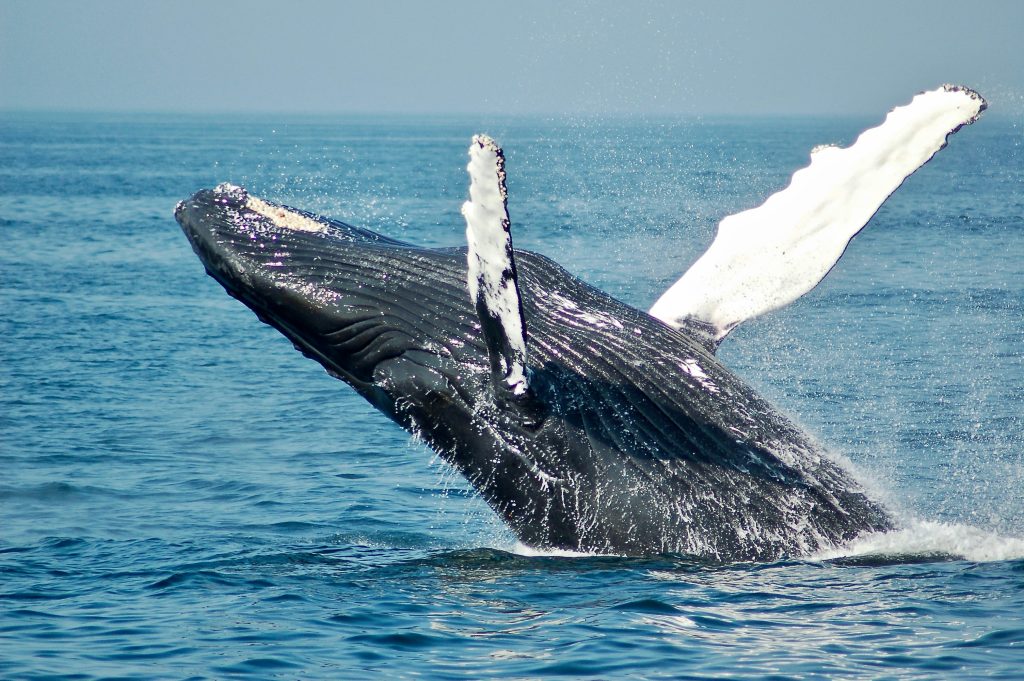
It’s one of the ocean’s great paradoxes: some of the largest animals to ever live survive almost entirely on some of the smallest. Baleen whales

Killer whales have earned their reputation as the ocean’s top predator, and a big part of that reputation comes down to speed. Whether they’re chasing
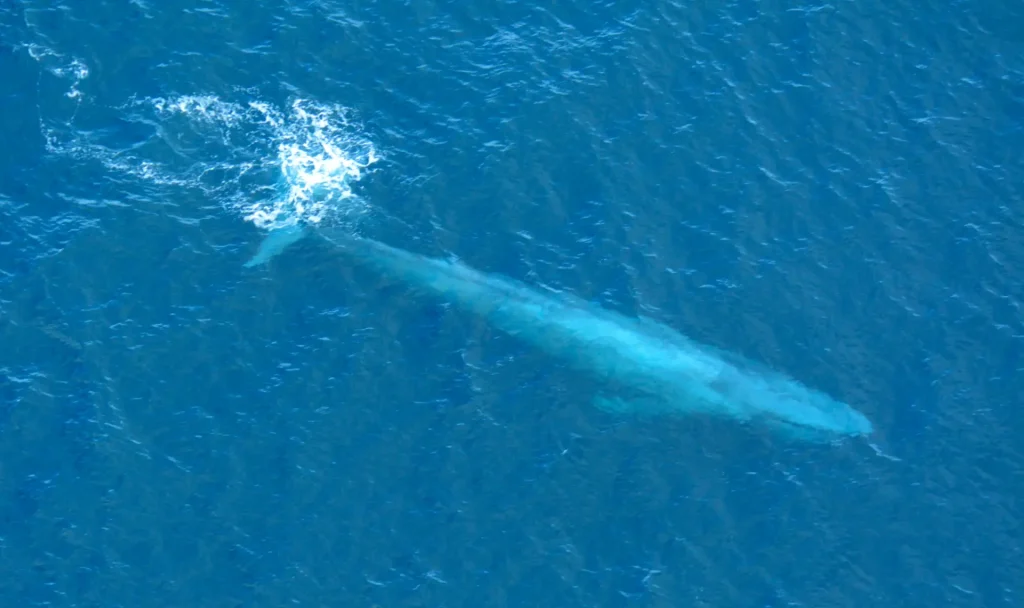
Ask a room full of kids what the biggest animal on the planet is, and you’ll get everything from elephants to T. rex. The real