
Blue whales are often described as the largest animals to ever live, but numbers alone don’t fully capture what that means. Hearing that they can reach 100 feet long or weigh over 300,000 pounds is impressive—but it’s still abstract.
To truly understand the scale of these giants, you have to compare them to the world we know. At Harbor Breeze, our onboard naturalists from the Aquarium of the Pacific often remark that even after hundreds of sightings, the sheer scale of a Blue Whale never ceases to amaze.
This striking photo shared on Reddit shows a human standing next to a blue whale skull. The person looks tiny standing within just one part of the animal, and that skull is only a fraction of the whale’s total body.
To put it into perspective, here is how a Blue Whale compares to everyday objects.
The Full Length: Up to 100 Feet Long
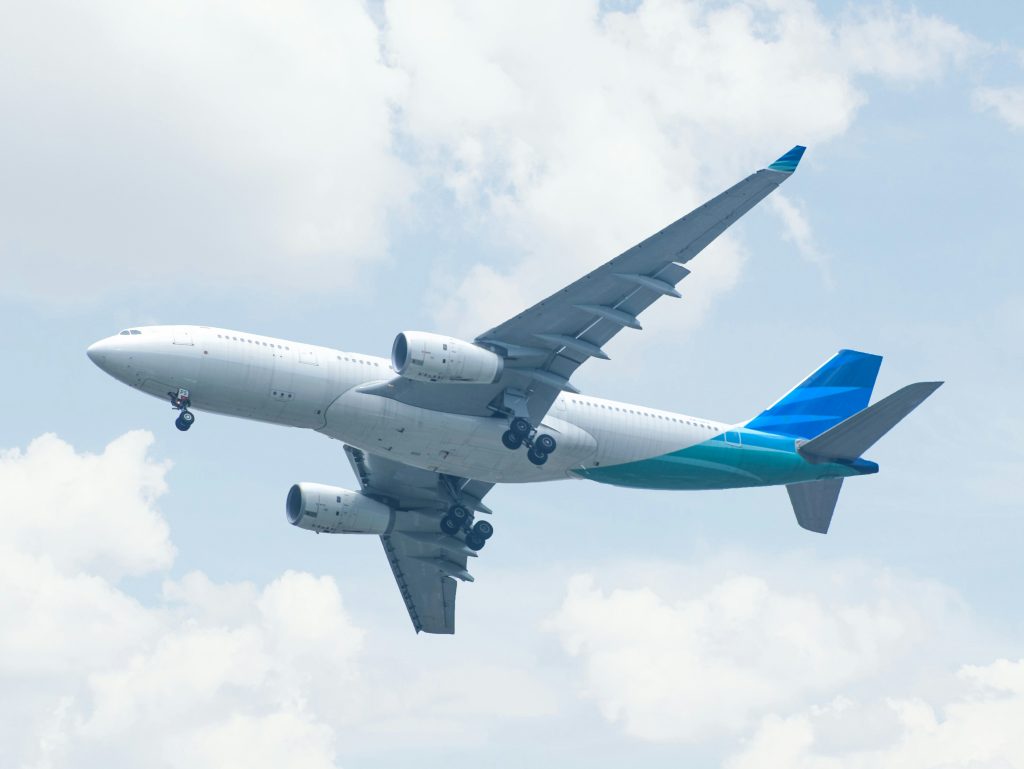
An adult blue whale can reach 80 to 100 feet in length.
To picture that:
- The Airplane Comparison: That’s about the length of a Boeing 737 airplane.
- The Car Comparison: Roughly 8 full-size cars parked bumper-to-bumper.
- The Boat Comparison: A 100-foot Blue Whale is actually longer than our largest high-speed catamaran, the La Espada (85 feet).
When one surfaces next to our vessel, it doesn’t just look big—it looks unreal. Even experienced whale watchers are often shocked the first time they see a back that seems to stretch on forever.
The Skull: Bigger Than an SUV

The skull of a blue whale can be 18 to 20 feet long. That is longer and wider than a full-size SUV. These massive structures support enormous jaws, allowing them to engulf enough water to fill a school bus in a single gulp while feeding on krill.
The Heart: The Size of a Bumper Car
A blue whale’s heart weighs about 400 pounds and is roughly the size of a high-end golf cart or a bumper car.
- The Power: Each heartbeat pushes hundreds of pounds of blood through the body.
- The Pulse: When they dive deep, their heart rate can slow to just a few beats per minute to conserve oxygen.
The Tongue: Weighs as Much as an Elephant
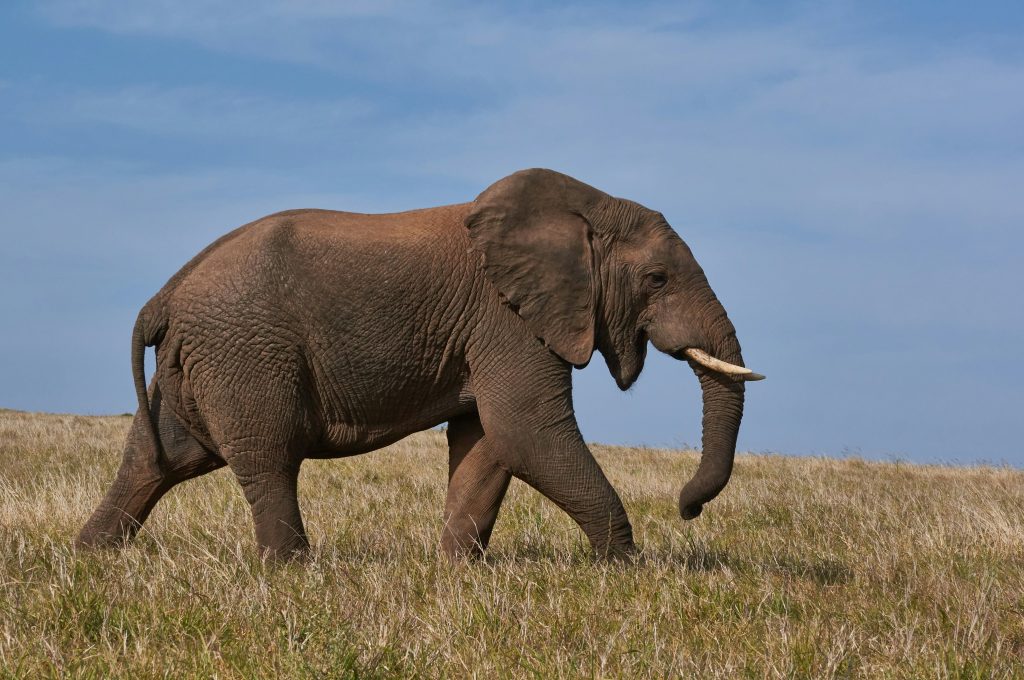
This is one of the most mind-blowing stats in the ocean: A blue whale’s tongue can weigh up to 6,000 pounds.
The Comparison: That is the same weight as a fully grown African Elephant.
Their massive tongue helps force water out through baleen plates, trapping up to 4 tons of tiny krill inside their mouth every single day.
The Tail: Wider Than a Living Room
The tail, or fluke, of a blue whale can span 20 to 25 feet wide. That is wider than most standard living rooms. Each powerful stroke of the tail moves their 150-ton body through the water at speeds of over 30 mph when they need a burst of energy.
The Babies: Enormous from Day One
Even newborn blue whales are giants. At birth, a calf is:
- Length: About 25 feet long (the size of a moving van).
- Weight: Around 6,000 pounds.
- Growth: They drink about 50 gallons of mother’s milk a day, gaining roughly 200 pounds every 24 hours.
Witness the Giants of Southern California
Photos and measurements help, but nothing compares to seeing a Blue Whale in real life. Off the coast of Long Beach and San Pedro, these giants migrate through our local waters during feeding season (typically May through November).
Because the deep-water trenches near Los Angeles create a “funnel” for krill, we have some of the best opportunities in the world to see the largest animal to ever exist. When you see their 30-foot blow rise into the air and watch that massive back break the surface, the scale becomes undeniable.
It is an experience most people never forget.
Want to see them for yourself? Check our Latest Sightings Report to see what we’ve been spotting lately, or Book Your Whale Watching Cruise to join us on the water!