
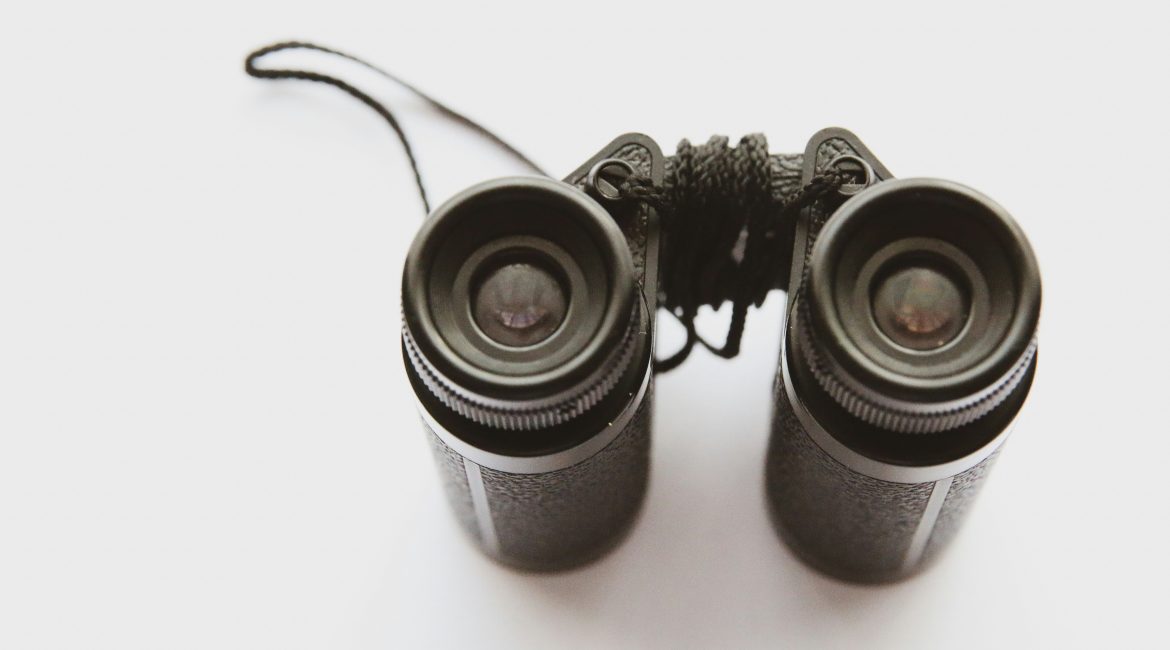
The best binoculars for whale watching have 7x to 10x magnification, a 42mm objective lens, and waterproof/fog-proof construction. Higher magnification isn't better on a moving boat — it makes the image harder to hold steady. Look for a wide field of view so you can track a surfacing whale quickly,...
The Best Time of Day to See Whales in Long Beach

There is no single best time of day to see whales in Long Beach. Morning trips often offer lighter winds, while midday and afternoon departures may fit your schedule better. Choose around the day’s conditions and your comfort; whale sightings depend on the animals’ location and activity.Morning versus afternoon at...
Humpback Whale Behavior 101
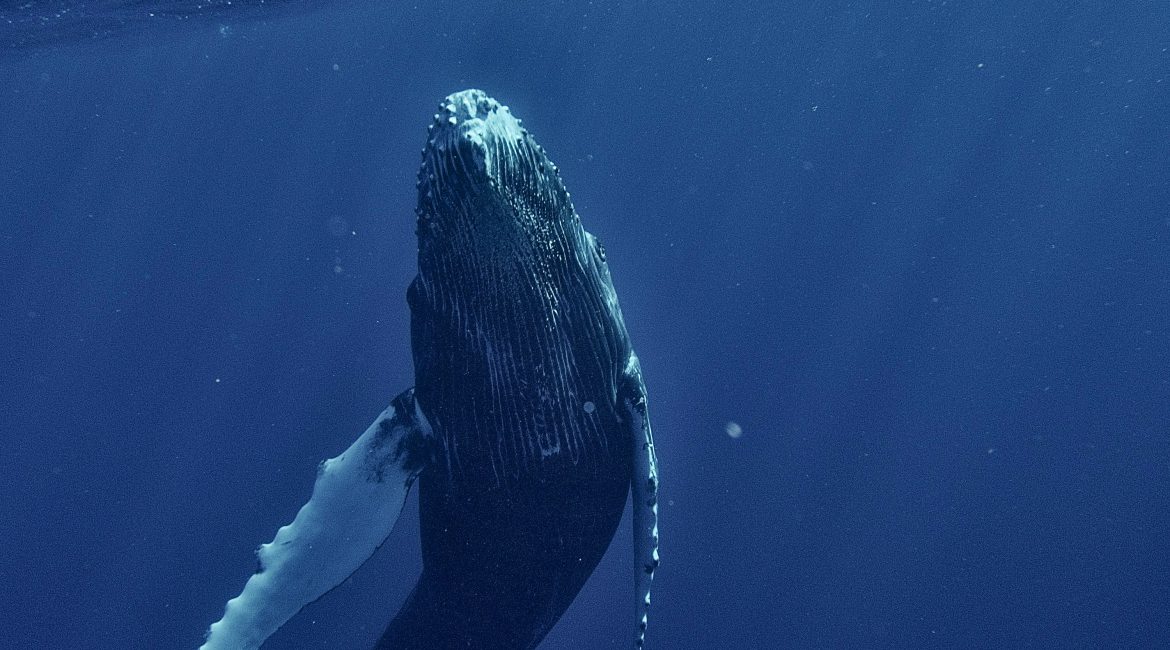
Humpback whales are known for three signature behaviors: breaching (leaping out of the water, possibly to communicate or shed parasites), bubble-net feeding (blowing a spiral of bubbles to trap fish before lunging through the school), and singing (long, complex songs produced only by males that can be heard for miles...
Gray Whale Migration Guide: Timing, Route & Where to Watch in Southern California
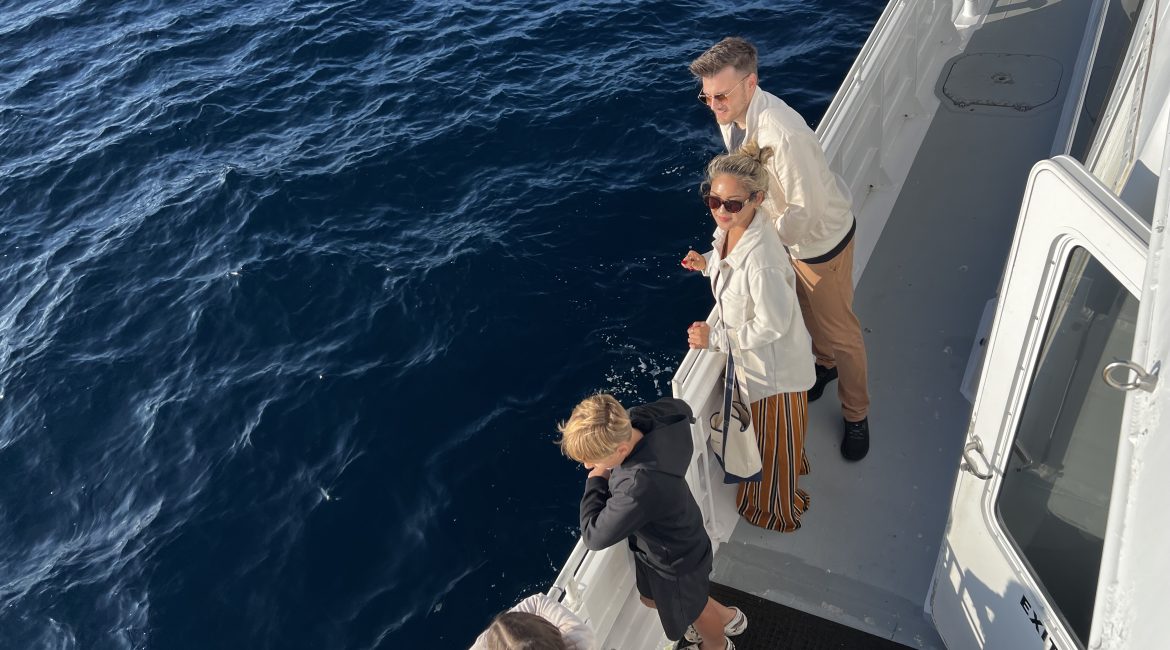
Gray whale migration brings one of the Pacific's great wildlife journeys past Southern California each winter and spring. Whales traveling between northern feeding grounds and Mexico's breeding areas pass the Los Angeles coastline twice, giving visitors a chance to see both southbound adults and the later return north.Quick answer: Plan...
Why Long Beach Is One of the Best Whale Watching Locations in California
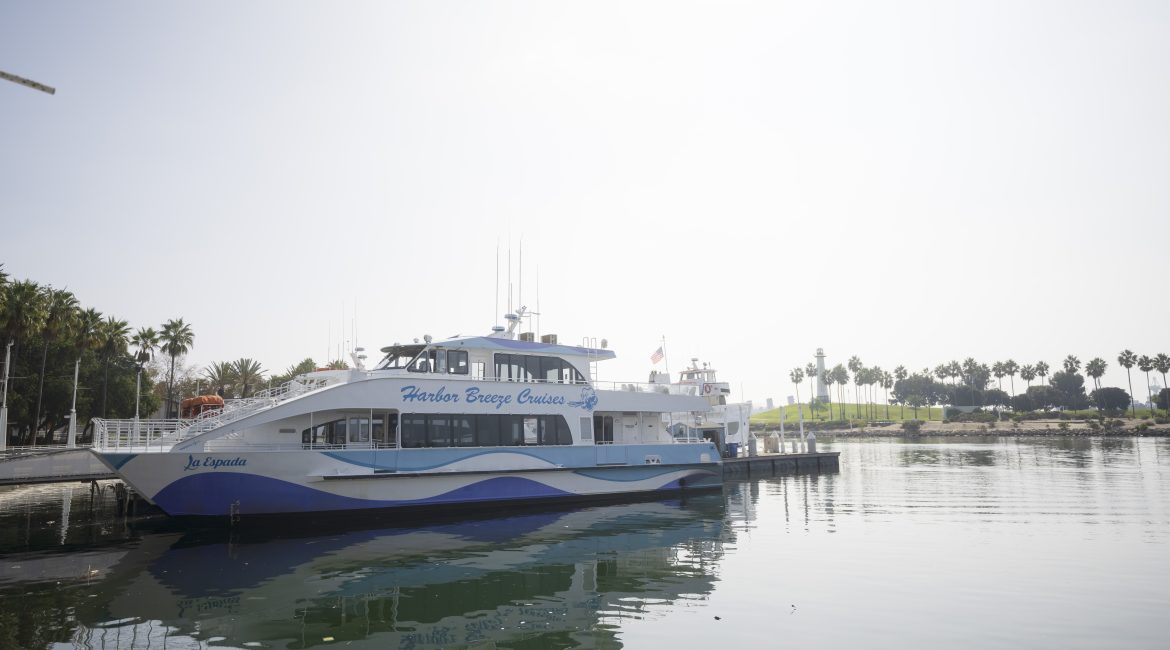
Long Beach is one of the best whale watching locations in California because of its proximity to the deep Santa Monica Basin and the productive California Current, which together attract blue whales, gray whales, humpback whales, fin whales, and orcas within a short distance of shore. The city's central position...
Difference Between Blue Whales, Humpbacks, Orcas & Fin Whales
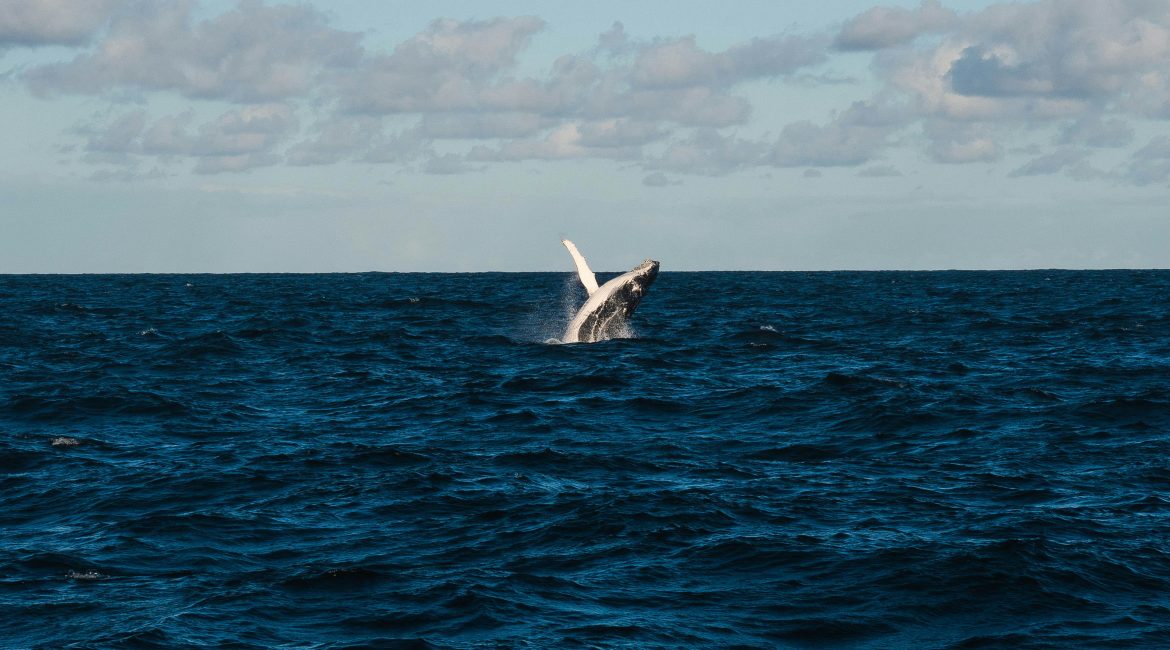
Blue whales are the largest animals on Earth (up to 100 feet, 200 tons) and are identified by their pale blue-gray color, tiny dorsal fin, and enormous heart-shaped blow. Humpback whales (45–55 feet) are known for their long pectoral fins, acrobatic breaching, and complex songs. Fin whales (70–85 feet) are...
What Whales Can You See in Southern California by Month?

Southern California offers opportunities to see whales in every month of the year. Gray whales are most associated with winter and spring migration, while blue whales are a late-spring, summer and sometimes fall prospect. Humpback and fin whale sightings vary with feeding conditions, and common dolphins occur year-round.Month-by-month species guideUse...
Best Time to See Blue Whales in Long Beach
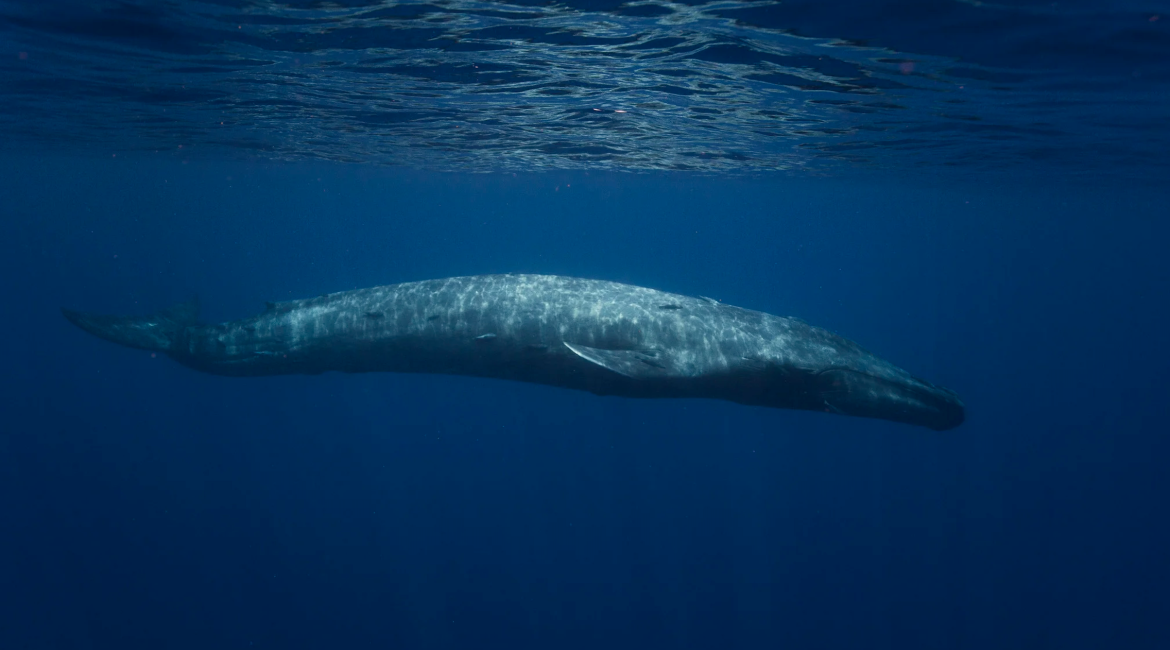
The best time to see blue whales in Long Beach, California is from late June through early October, with peak sightings typically occurring in July and August. During this period, blue whales follow their primary food source — dense swarms of krill — into the nutrient-rich waters off the Southern...
How Do Humpback Whales Feed? Bubble Nets, Lunge Feeding & More
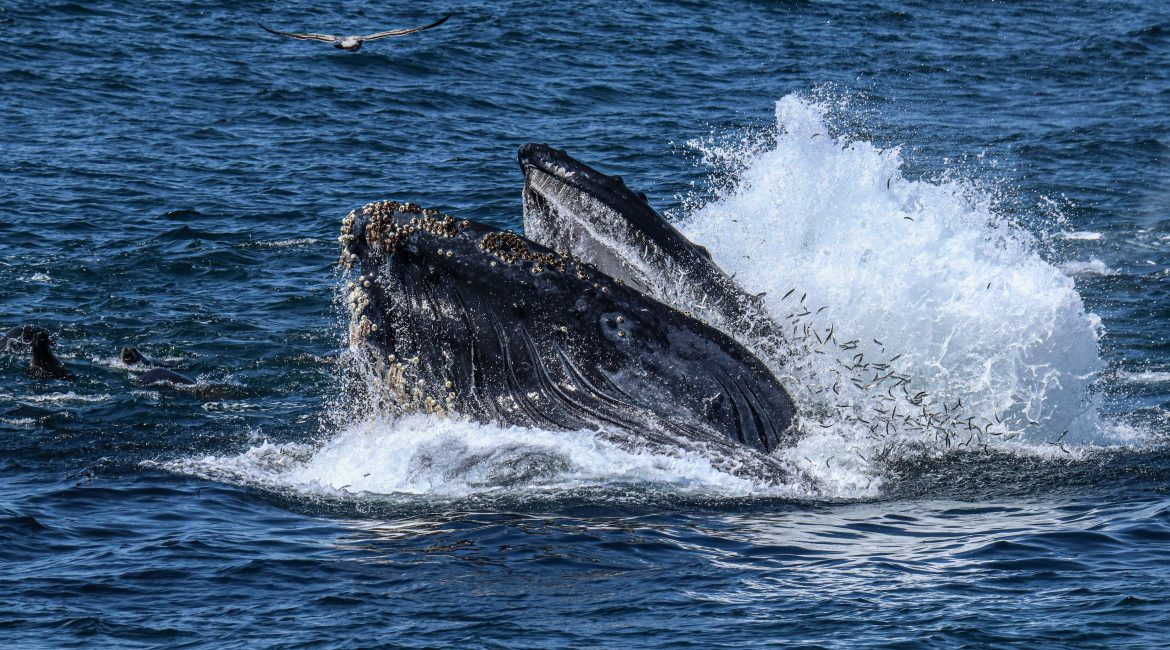
Humpback whales use at least six documented feeding strategies: lunge feeding (accelerating into a prey school with mouth wide open), bubble-net feeding (herding fish inside a rising curtain of bubbles), kick feeding (stunning fish with a tail slap before lunging), trap feeding (floating motionless at the surface with mouth open...
How Do Whales Give Birth? Bubble Walls, Tail-First Calves & More
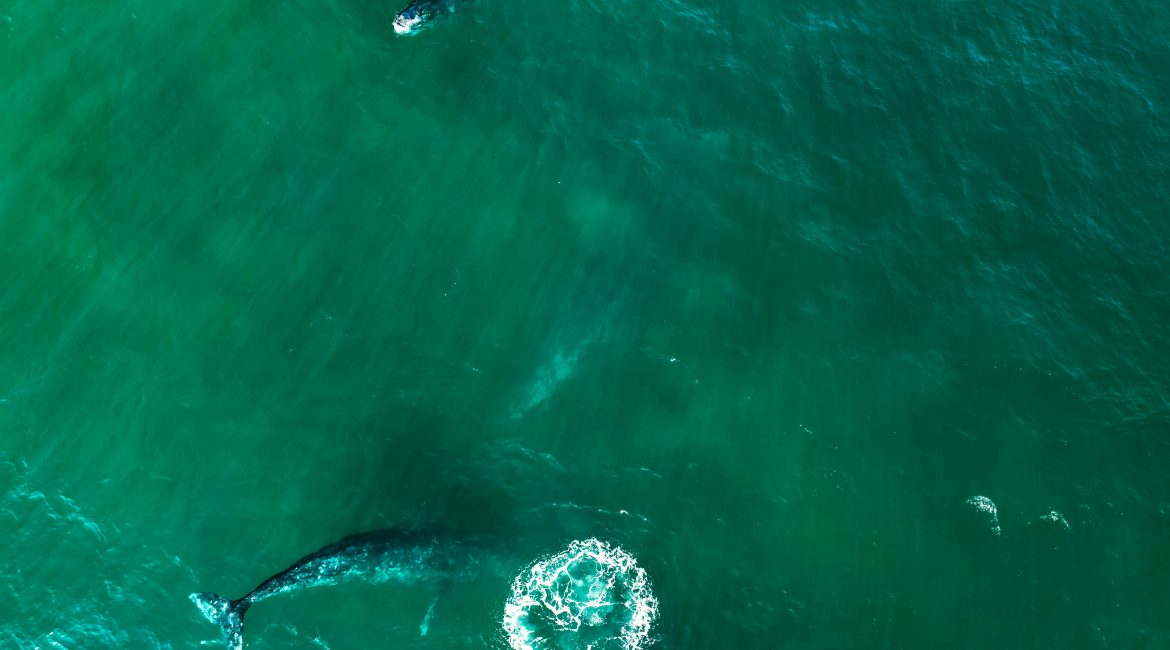
Whales give birth underwater, almost always tail-first, so the calf’s blowhole is the last thing to emerge — minimizing the risk of drowning before the newborn can surface. The mother immediately guides the calf upward to take its first breath. Humpback whale births often involve male escorts who blow bubble...