
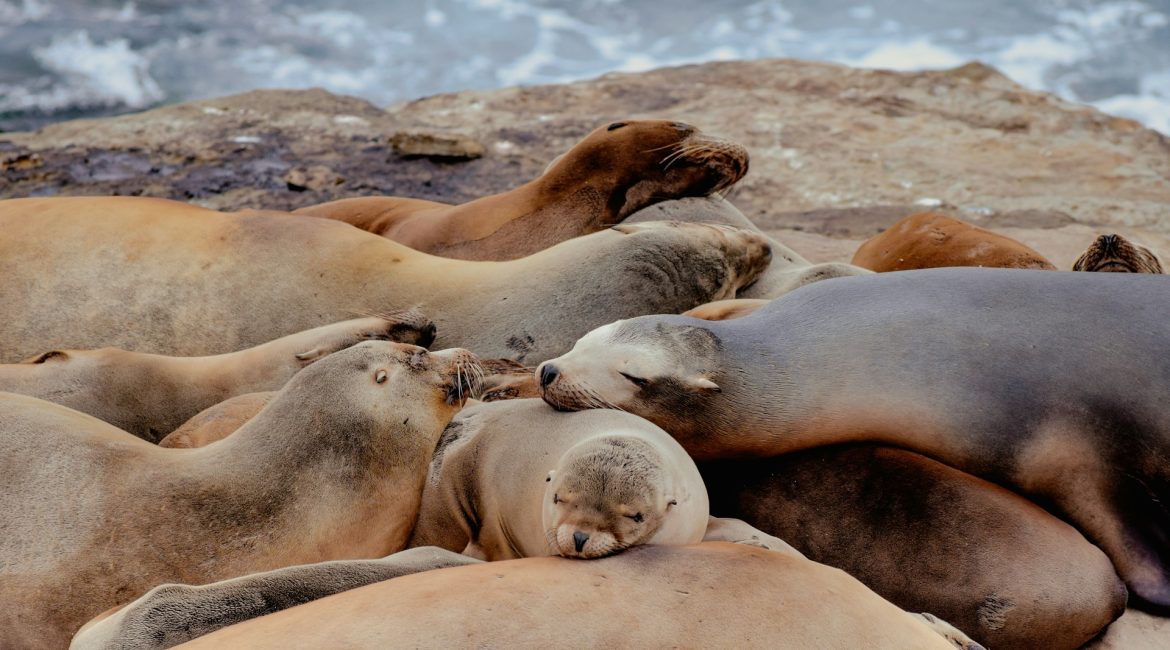
Quick Answer: California sea lions are one of the most commonly seen marine mammals along the Southern California coast, easily recognized by their loud bark, visible ear flaps, and ability to "walk" on all four flippers. They're social, intelligent animals that gather in large colonies on docks and buoys, and...
What Is a Toothed Whale?
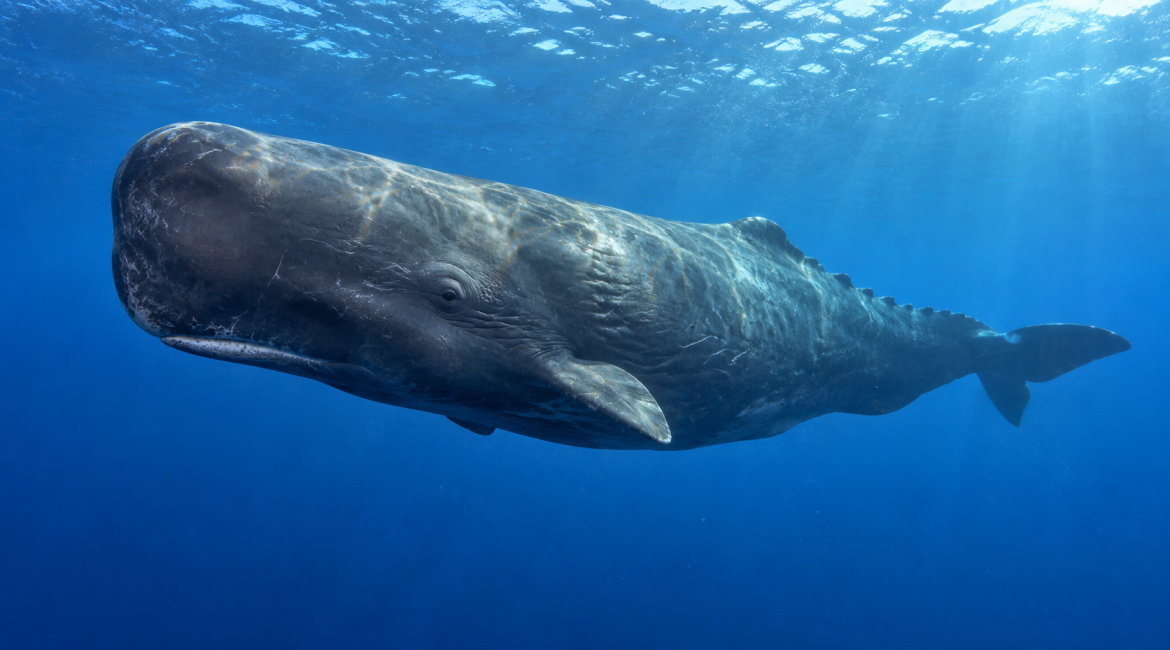
Quick Answer: A toothed whale (odontocete) is a whale that hunts individual prey using teeth and echolocation, rather than filter-feeding like a baleen whale. The group includes orcas, all dolphins and porpoises, sperm whales, beluga whales, narwhals, and beaked whales. Toothed whales tend to be more socially complex and are...
Ocean Sunfish Facts: Meet the World’s Heaviest Bony Fish
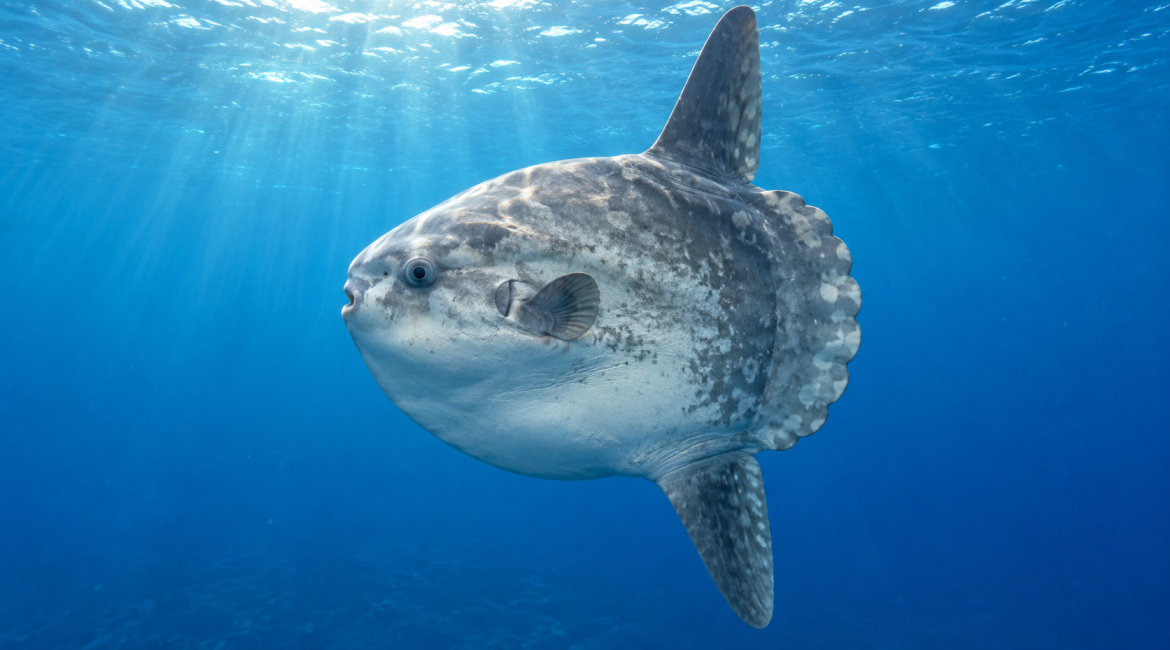
Quick Answer: The ocean sunfish, or mola mola, is the heaviest bony fish in the world, weighing up to 2,200 pounds. Shaped like a giant swimming head with no true tail, sunfish are famous for basking sideways at the ocean's surface to warm up after deep dives for jellyfish. They're...
Do Whales Sleep? How Whales Rest Without Drowning

Whales are mammals, which means they need air just like we do — but unlike us, they can't just doze off underwater without a plan. Falling into a deep, unconscious sleep would mean forgetting to breathe, which would be fatal in the open ocean. So do whales sleep at all?...
Brown Pelican Facts: Southern California’s Favorite Diving Bird
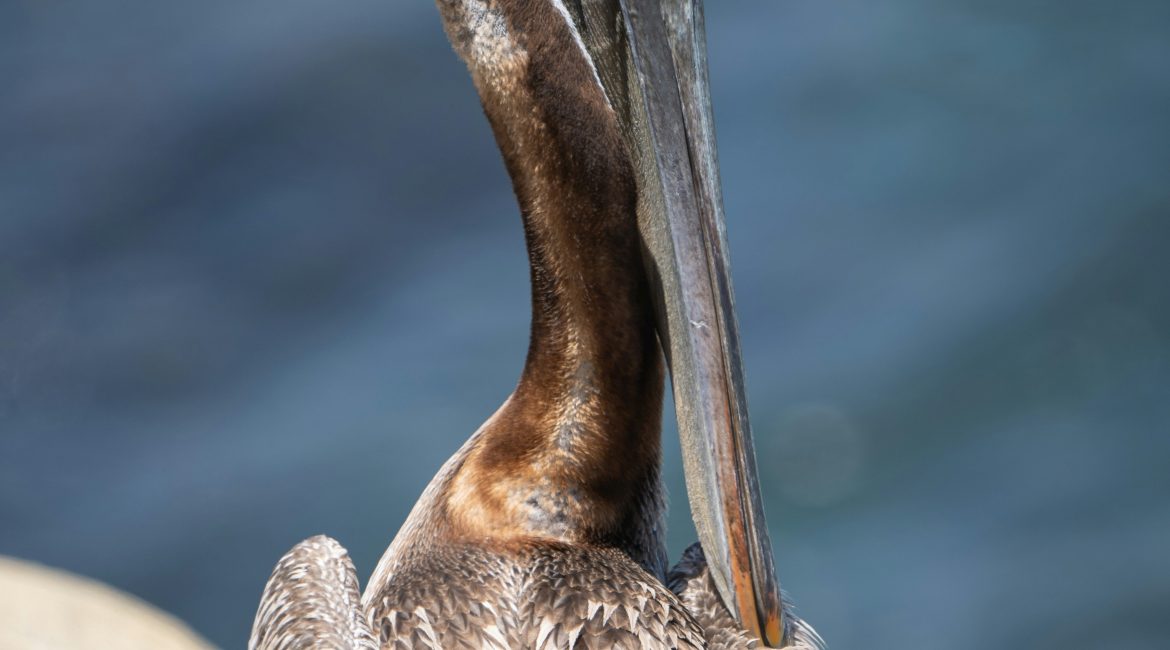
Whales and dolphins get most of the attention on a whale watching trip, but keep an eye on the sky and you'll likely spot one of the coast's most entertaining year-round residents: the brown pelican. With their prehistoric look and dramatic hunting style, brown pelicans are a Southern California favorite...
Is a Blue Whale a Mammal? Blue Whale Facts You Should Know

It's a fair question — an animal that lives its entire life in the ocean, looks nothing like a dog or a deer, and can grow to 100 feet long doesn't exactly scream "mammal." But yes, the blue whale is very much a mammal, and in fact, it's the largest...
The Best Whale Watching in the World: Top Destinations & When to Go

Quick Answer: The best whale watching in the world is spread across a handful of hotspots, each tied to a specific species and season: Baja California Sur, Mexico (gray whales, January–April), Kaikoura, New Zealand (sperm whales, year-round), the Azores, Portugal (blue whales, April–June), Tonga (swimming with humpbacks, July–November), and Húsavík,...
What Do Baleen Whales Eat? A Guide to Filter Feeding
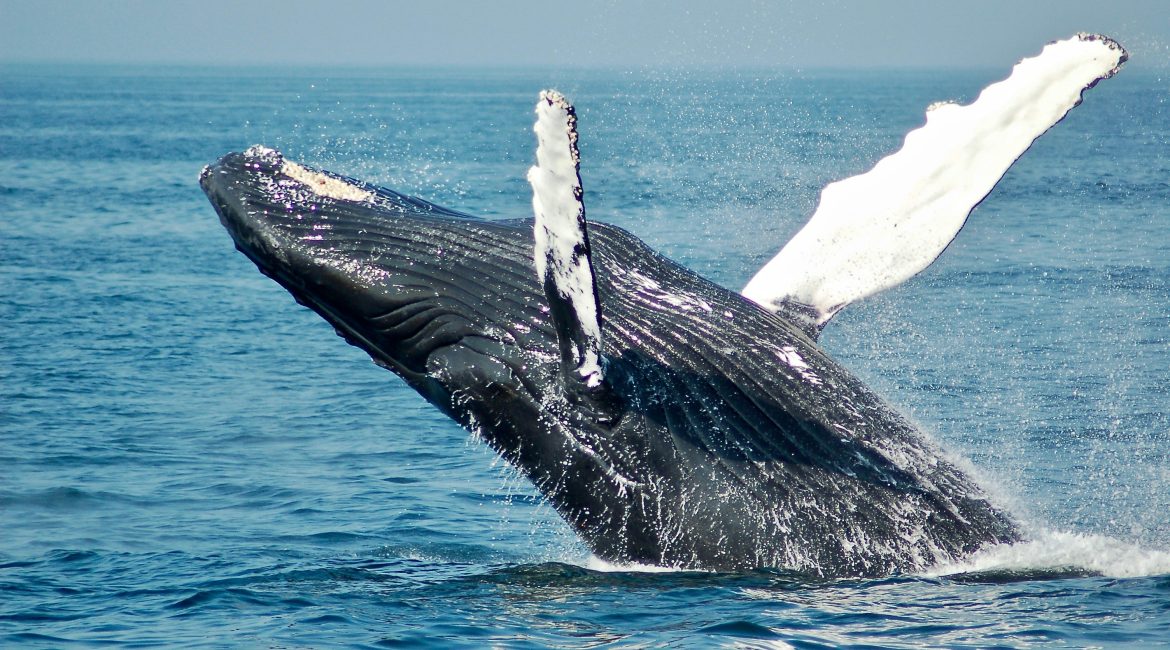
It's one of the ocean's great paradoxes: some of the largest animals to ever live survive almost entirely on some of the smallest. Baleen whales — the group that includes blue whales, gray whales, and humpbacks — don't have a single tooth. Instead, they've evolved one of the most efficient...
How Fast Can a Killer Whale Swim?
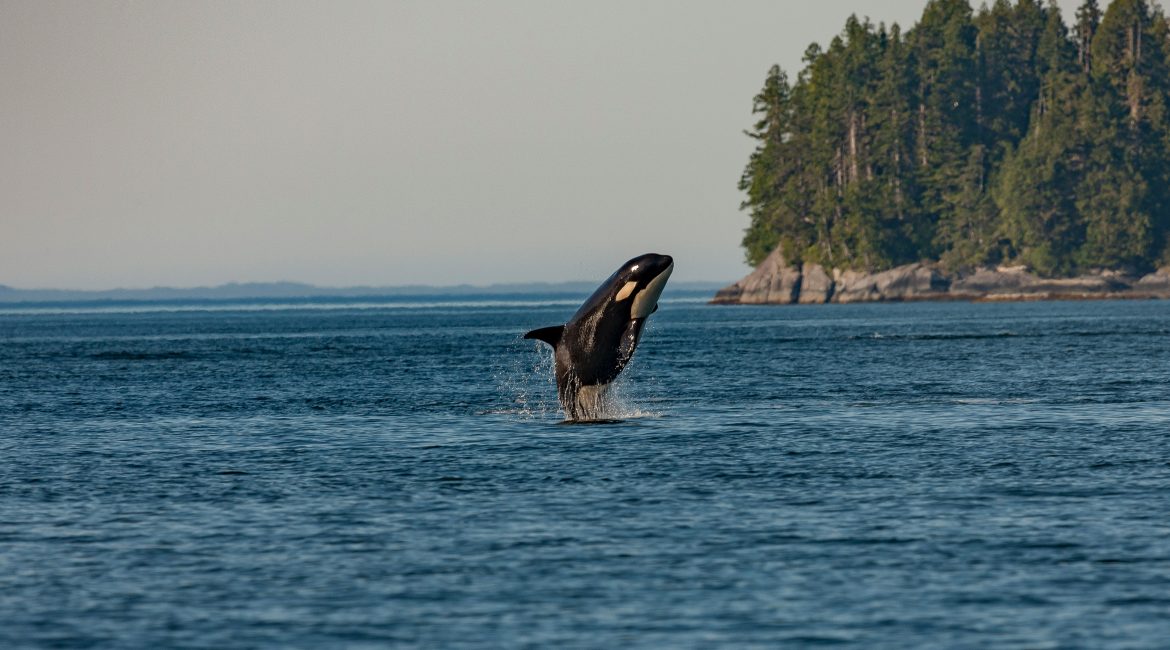
Killer whales have earned their reputation as the ocean's top predator, and a big part of that reputation comes down to speed. Whether they're chasing down a sea lion or simply showing off for a passing boat, orcas are some of the fastest animals in the ocean. Here's exactly how...
The Largest Whale That Ever Lived
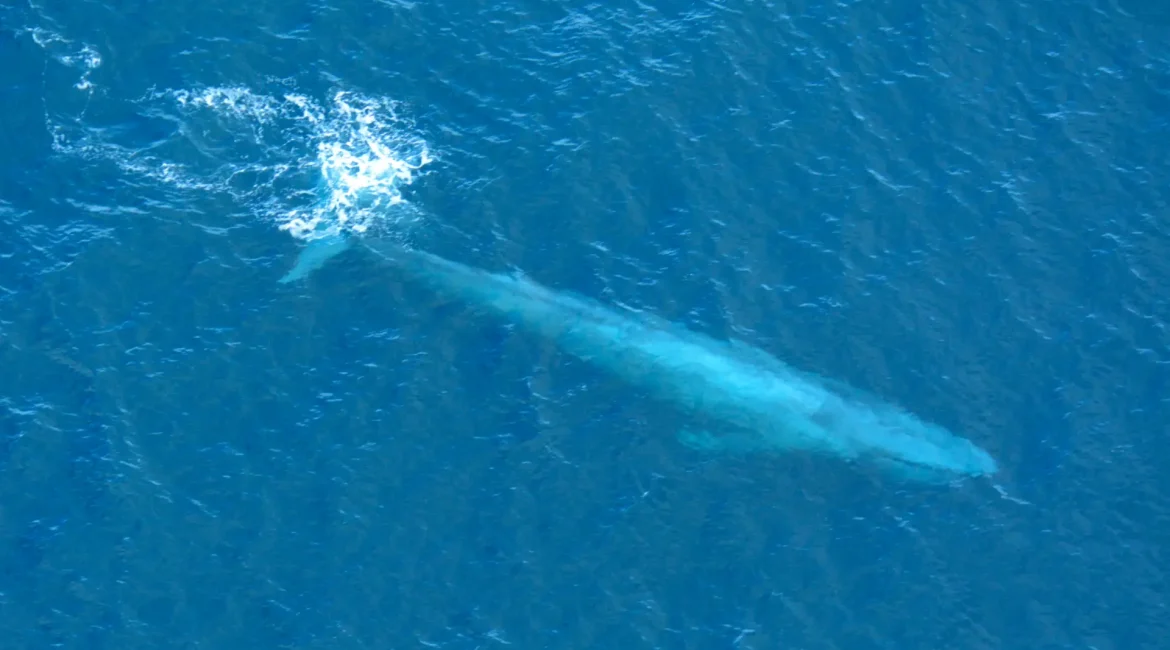
Ask a room full of kids what the biggest animal on the planet is, and you'll get everything from elephants to T. rex. The real answer is swimming right off the coast of Long Beach for part of the year: the blue whale. Not only is it the largest whale,...